
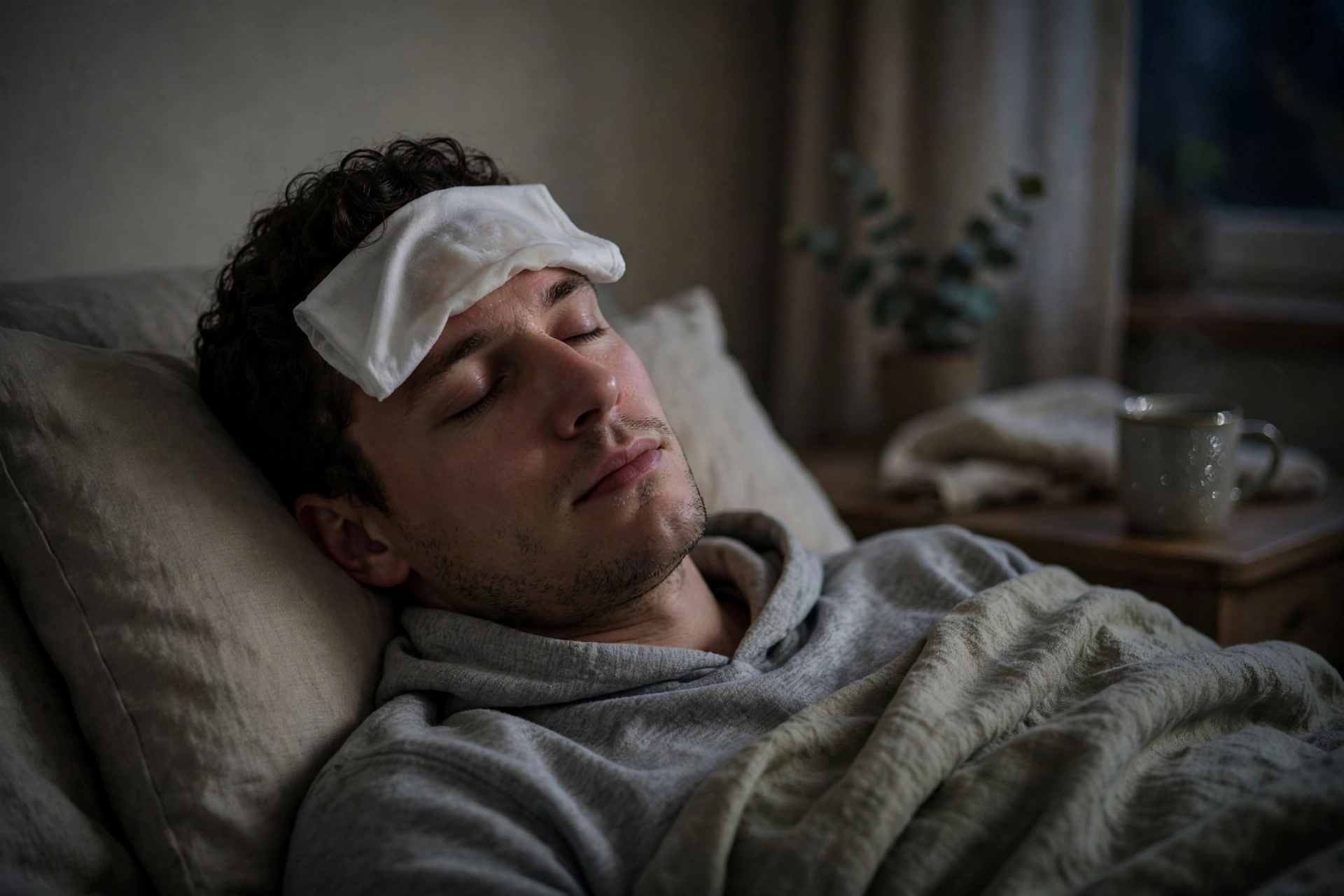
Almost everyone gets headaches. Most are tension headaches or mild migraines that, while miserable, are not dangerous — and many ease with simple steps taken early. The trick is to act when a headache first appears, rather than pushing through it until it becomes severe.
This guide covers practical, low-risk steps that commonly help, how to tell what kind of headache you may have, and the warning signs that mean you should seek medical care promptly. It is general information only, not advice for a specific condition.
First, pause and assess
When a headache starts, take a minute to notice what might have triggered it and what kind it feels like:
- Tension headache: a dull, pressing ache on both sides of the head, often with tight neck and shoulder muscles. Commonly linked with stress, poor sleep, dehydration or long screen time.
- Migraine: often throbbing pain on one side, with nausea, sensitivity to light or sound, and sometimes visual disturbances. Movement usually makes it worse.
- Sinus headache: pressure or pain around the forehead, cheeks and nose, often with congestion. Many headaches thought to be sinus headaches are actually migraines, so the distinction is not always clear.
- Cluster headache: severe pain around one eye, occurring in clusters over days or weeks. This pattern needs medical assessment.
Knowing the pattern helps you choose the right step — rest and darkness help migraines more than tension headaches, for example — and helps a clinician if headaches keep recurring.
1. Rest in a quiet, dim room
For many headaches, especially migraines, the most effective first step is also the simplest: lie down in a dark, quiet, well-ventilated room and rest, even briefly. Light sensitivity is common with migraine, and noise and screens can worsen pain.
Close the blinds, silence notifications, and try to sleep for a short period if you can. Even 20 to 30 minutes of rest can break the cycle for a mild headache, whereas continuing to work through it often makes it worse and longer-lasting.
2. Drink water
Dehydration is a common headache trigger. If you have not drunk much, have been sweating, or have had alcohol or caffeine, drink a glass of water and keep sipping. Eating something can also help if you have skipped a meal — low blood sugar can trigger headaches, and regular, balanced meals help prevent them.
Do not force large amounts of water at once. Steady sipping, plus a light snack if you are hungry, is enough. Foods rich in magnesium, such as leafy greens, beans, nuts and seeds, are often mentioned in headache guidance, though food alone is not a treatment for frequent headaches.
3. Use cold or heat — whichever feels better
Cold and heat help different headaches, and personal preference is a good guide:
- Cold: a cold compress, ice pack wrapped in cloth, or a cool, damp washcloth on the forehead or back of the neck. Cold constricts blood vessels and can numb pain, and many people find it helps migraines.
- Heat: a warm compress, hot water bottle or warm shower on the neck and shoulders. Heat relaxes tight muscles, and tends to help tension headaches where the neck and shoulders feel stiff.
Apply for 15 to 20 minutes at a time, with a barrier between ice and skin, and do not fall asleep on a heat source. If one does not help, try the other — there is no rule that only one works.
4. Take a screen break and adjust light
Long, uninterrupted screen time strains the eyes and encourages poor posture, both of which feed headaches. When a headache starts, step away from screens, dim bright lights, and avoid flickering or harsh lighting.
If you must keep working, adjust the screen to a comfortable brightness, increase text size so you are not squinting, and take a short break every 20 to 30 minutes to look away and relax your shoulders. An eye test is worth considering if headaches regularly follow reading or screen work — uncorrected vision problems are a common, overlooked trigger.
5. Gentle massage and pressure
Tension headaches often involve tight muscles in the face, neck and shoulders. Gentle self-massage can help:
- Massage the temples, jaw, bridge of the nose and the base of the skull with fingertips, using small, slow circles.
- Press the fleshy area between thumb and index finger for a minute or two — a common acupressure point that some people find relieving.
- Roll the shoulders slowly, drop them away from the ears, and stretch the neck gently from side to side.
Pressure should feel comfortable, not painful. If massage worsens pain, stop — it is not helping that headache.
6. Relaxation and breathing
Stress-related headaches respond to the same techniques that calm the stress response. Slow, rhythmic breathing — in for about five seconds, out for about five seconds, repeated for a few minutes — can lower tension. Progressive muscle relaxation, where you tense and then release muscle groups in turn, and short mindfulness or meditation breaks, also help many people.
These techniques work best as a regular habit, not only during a headache. A few minutes of daily relaxation, yoga or gentle stretching can reduce how often tension headaches occur.
7. A warm shower or foot soak
A warm shower combines heat, steam and a break from screens, which is why many people find it helps tension headaches. Steam may also ease sinus pressure, though it does not treat a sinus infection.
A less well-known option is a warm foot soak: soaking feet in warm water for about 20 minutes can draw attention away from head pain and promote relaxation. It is a low-risk comfort measure, not a cure, but for some people it makes a headache noticeably more bearable.
8. Caffeine — small, and only if you already drink it
A small amount of caffeine can help some headaches, which is why it is an ingredient in some headache remedies. If you are a regular coffee drinker, a single cup when a headache starts may help — and skipping your usual coffee can itself trigger a headache.
But caffeine is a double-edged tool. Large amounts, late in the day, or daily reliance can worsen sleep and trigger rebound headaches. Do not start drinking coffee as a headache treatment if you do not already drink it, and do not combine caffeine with painkillers without checking the label and your own medication use.
9. Over-the-counter pain relief, used carefully
For many adults, over-the-counter pain relievers such as paracetamol (acetaminophen) or anti-inflammatory medicines such as ibuprofen can relieve a headache when used occasionally and exactly as labelled. Read the label, take the recommended dose, and check for interactions with other medicines or conditions.
Important cautions:
- Do not use painkillers more than a few days a week on a regular basis. Frequent use can cause medication-overuse headaches, where the treatment itself keeps headaches coming.
- Do not give aspirin to children or teenagers with a viral illness without medical advice, because of the rare risk of Reye’s syndrome.
- If you are pregnant, have liver, kidney or stomach conditions, take blood thinners, or take other medicines, check with a pharmacist or clinician before choosing a pain reliever.
- If headaches are frequent, severe or changing in pattern, painkillers are masking a problem that needs assessment, not solving it.
Herbal and supplement remedies — such as feverfew, ginger or butterbur — have varying evidence, and some, notably butterbur, carry safety concerns. Discuss supplements with a clinician before using them regularly, especially alongside other medicines.
10. Track your triggers
If headaches recur, a simple diary helps more than any single remedy. Note the date, time, what you ate and drank, sleep, stress, screen time, weather and any medicines taken. Patterns often emerge within a few weeks: missed meals, poor sleep, dehydration, eye strain, certain foods, hormonal changes or stress peaks.
Share the diary with a clinician if headaches are frequent. It turns a vague complaint — “I get headaches a lot” — into concrete information that guides treatment.
What does not help
- Pushing through without a break: continuing to work at a bright screen usually prolongs a headache.
- Overusing painkillers: as above, frequent use can cause rebound headaches.
- Skipping meals and water while waiting for a headache to pass: both are common triggers.
- Alcohol as a remedy: it dehydrates and disrupts sleep, and can trigger migraines.
- Ignoring a changing pattern: a headache that is new, different, more severe or more frequent than usual deserves assessment, not just another painkiller.
Warning signs: seek care promptly
Most headaches are not emergencies, but some are. Seek urgent medical care for:
- A sudden, severe headache — often described as the worst headache of your life
- A headache after a head injury
- A headache with fever, stiff neck, rash, confusion, weakness, numbness, vision loss, difficulty speaking, or loss of consciousness
- A headache that is steadily worsening, or does not improve with usual measures
- New headaches after age 50, or headaches in someone with cancer or a weakened immune system
- Headaches that wake you from sleep repeatedly, or are worse in the morning with vomiting
Also arrange a routine medical review if headaches occur more than a few times a month, interfere with work or daily life, require frequent painkillers, or change in pattern. A clinician can check for underlying causes, discuss preventive options, and rule out conditions that home measures cannot address.
Frequently asked questions
How can I get rid of a headache fast?
Act early: rest in a dim, quiet room, drink water, apply a cold compress for migraine-type pain or heat for neck tension, and take a screen break. Over-the-counter pain relief, used occasionally as labelled, can help. There is no guaranteed instant cure — early action is what shortens most headaches.
Is it better to use ice or heat for a headache?
Both can help, for different reasons. Cold tends to help migraine and throbbing pain; heat tends to help tension headaches with tight neck and shoulder muscles. Try whichever feels better, for 15 to 20 minutes at a time.
Can dehydration cause a headache?
Yes. Not drinking enough, sweating heavily, or drinking alcohol can all contribute. Sipping water regularly through the day, and drinking when a headache starts, is a simple first step.
When should I worry about a headache?
Worry — and seek prompt care — for sudden severe pain, pain after injury, or pain with fever, stiff neck, weakness, vision changes, confusion or difficulty speaking. Also seek review for frequent, worsening or changing headaches, even without those warning signs.
The bottom line
Most headaches ease with early, simple steps: rest in a dim room, hydrate, use cold or heat, take a screen break, relax tight muscles, and use pain relief sparingly and as labelled. Tracking triggers helps prevent the next one. And when a headache is sudden, severe, unusual or accompanied by warning signs, prompt medical care — not another home remedy — is the right step.