
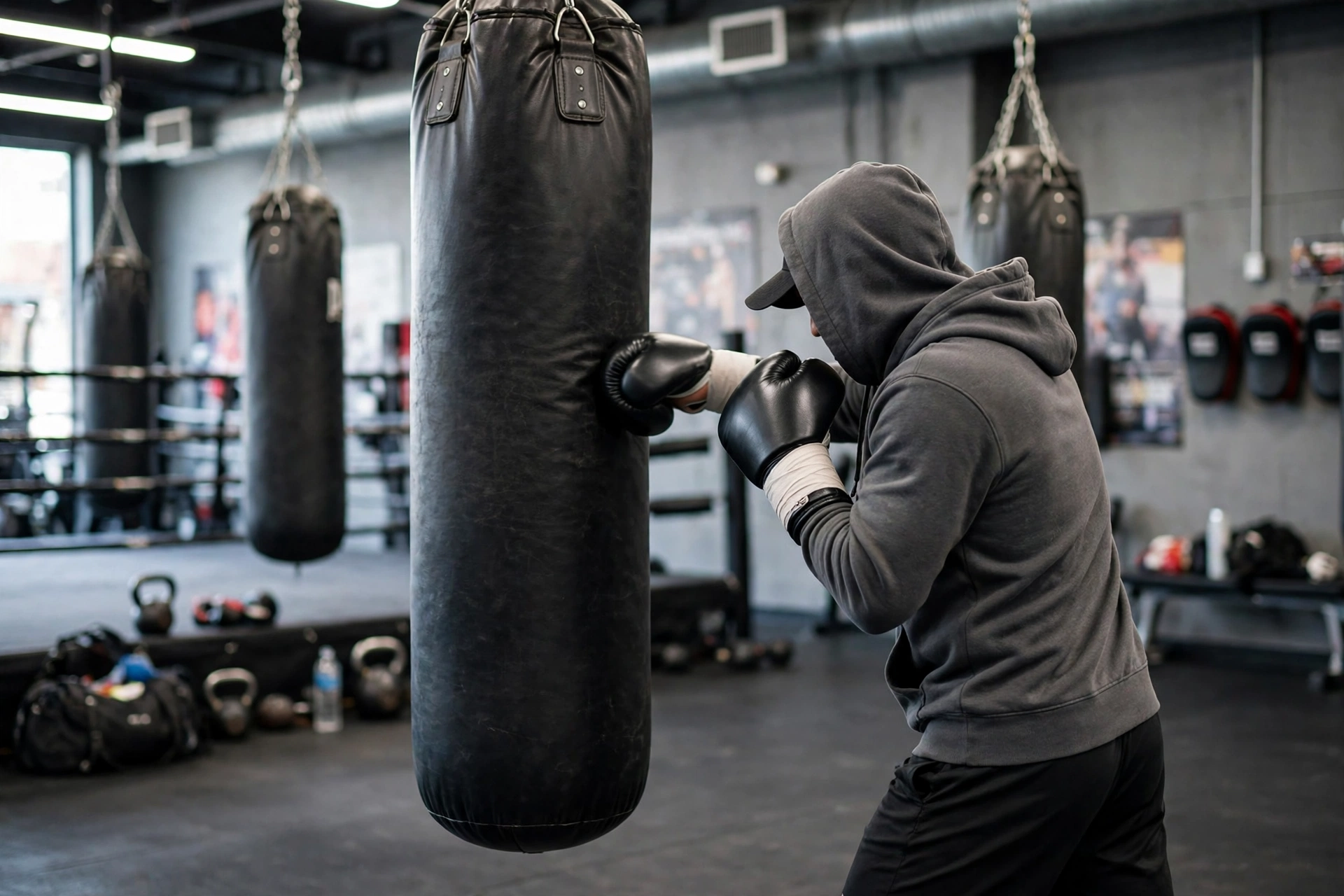
Boxing builds strength, coordination, endurance, and confidence in a way few other workouts match, and you do not need to be fit already to begin. Most gyms run beginner classes for people who have never thrown a punch. The difference between a good start and a frustrating one is rarely talent; it is learning the basics in the right order, with a coach watching, before bad habits settle in.
Decide what you want from boxing
People start boxing for fitness, self-defence, competition, or simply because it is fun. Your goal shapes your training: a fitness boxer may never spar, while someone aiming to compete will follow a longer, structured path. Either goal is fine, and a good gym will respect it. Knowing your goal also stops you comparing yourself with people training for something different.
Find a gym and a coach first
The single best step a beginner can take is joining a gym with structured beginner classes and qualified coaches. A coach spots small errors — a dropped hand, a crossed foot, a stiff wrist — before they become injuries or habits. Look for a gym that welcomes beginners, runs dedicated beginner sessions, and offers a trial class. Use the trial to judge the atmosphere: are beginners coached patiently, and does safety come before toughness? If a gym pushes you into sparring on your first visit, walk away.
Learn the stance before the punches
Everything in boxing starts from the stance. Stand with your feet about shoulder-width apart, your dominant foot back if you are right-handed (orthodox), knees slightly bent, weight on the balls of your feet, hands up guarding your jaw, elbows tucked in, and chin slightly down. From this position you can move, punch, and defend without losing balance. Footwork comes next: step with the lead foot first when moving forward and the rear foot first when moving back, and never cross your feet. Small, controlled steps beat lunging every time.
The four punches every beginner needs
The jab is a quick, straight punch from the lead hand; it sets range and sets up everything else. The cross is the straight power punch from the rear hand, driven by turning through the hip. The hook travels in a tight arc with the elbow bent, and the uppercut rises from close range, powered by the legs. Practice these slowly in shadowboxing first, focusing on accuracy and balance rather than power. A crisp jab thrown correctly teaches more than a wild power punch ever will.
Gear: buy less than you think
You need hand wraps, training gloves (usually 12 to 16 ounces for beginners), and comfortable training shoes. Hand wraps protect your knuckles and wrists and are not optional for bag work. A mouthguard becomes important once partner drills begin, and headgear matters only when sparring starts. A jump rope is cheap and excellent for conditioning. You do not need a heavy bag at home to start; a gym membership gives you bags, pads, and coaching in one place.
What a beginner session looks like
A typical session opens with a warm-up of skipping and mobility work, then a technical block on one skill — stance, the jab-cross, or a basic defence such as slipping or blocking — followed by rounds of shadowboxing, bag work, or pad work, and finishes with core work and stretching. Sessions usually last 45 to 60 minutes. Two or three sessions a week is a strong start; build to three or four only when your body recovers comfortably between them.
Conditioning without burning out
Boxing rounds are short bursts of effort, so interval-style conditioning fits naturally: skipping, short runs, and bodyweight circuits. Keep bag rounds short at first — a minute or so with equal rest — and lengthen them gradually. Soreness in the shoulders and legs is normal early on; sharp wrist, shoulder, or hand pain is not, and it is a sign to check your technique with your coach before training through it.
When is sparring appropriate?
Sparring is controlled practice with a partner, not a fight, and it should come only after you have solid fundamentals and several weeks of consistent training. Your coach should decide when you are ready, match you with a suitable partner, and supervise closely. Many people box happily for years without ever sparring, and that is a complete version of the sport, not a lesser one.
Common beginner mistakes
Dropping the hands after punching, holding the breath, crossing the feet, and chasing power instead of form are the usual errors, and all of them are fixable with coaching. Another is training every day from week one: rest days are when your body adapts, and skipping them is the fastest route to an overuse injury. Consistency over months beats intensity over a single week, every time.
FAQs
Do I need to be fit before starting boxing? No. Beginner classes are built for all fitness levels, and coaches adapt drills to your ability.
Can I learn boxing at home? You can practise stance, shadowboxing, and skipping at home, but a coach’s feedback is hard to replace, especially early on.
How much does starting cost? Gloves, wraps, and shoes are the main purchases, plus a gym membership. Start with basics and add gear only as your training requires it.
Is boxing safe for beginners? With proper coaching, progressive training, and no early sparring, the risks are manageable. The biggest risks come from poor form and rushing into contact.
Related reading
- how to reduce neck pain naturally
- how to get rid of a headache
- what causes muscle tension
- benefits of eating raw ginger